Best Time to Remove Moss from a Roof in Washington State
The best time to remove moss from a roof in Washington is late spring through early fall, though any time moss is actively growing is a good time to schedule professional removal. Warmer, drier months allow treatment solutions to bond properly and work more effectively. Surfaces dry faster. Results last longer.
Washington’s extended wet season creates steady moss growth from fall through spring. Waiting too long allows roots to dig beneath shingles and hold moisture against the roof deck.
Over time, that leads to lifting, curling, and premature wear.
Once moss becomes visible, the clock has already started. Early removal protects the structure and limits repair costs. Acting promptly keeps a small maintenance issue from turning into a larger project.
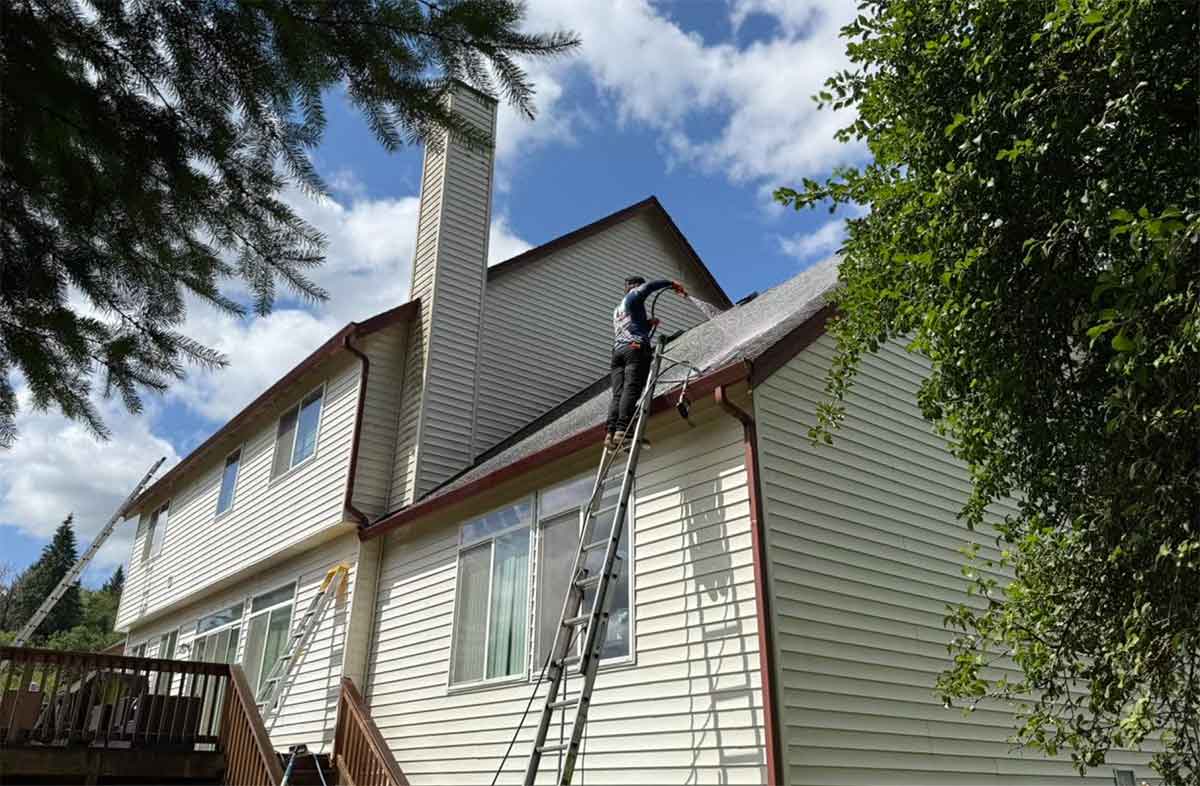
If you see growth, schedule professional moss removal with NW Softwash & Roof Cleaning for safe, effective treatment designed for Washington’s climate.
Why Timing Matters for Moss Removal in Washington
Washington’s rainfall and heavy tree coverage create ideal moss conditions almost year-round. Moisture lingers on shaded roofs for days after storms. North-facing slopes rarely dry fully during fall and winter. Growth spreads quietly.
May through September provides the most favorable treatment window. Drier weather allows cleaning solutions to absorb deeply into moss colonies. Adhesion improves. Kill rates increase. Cold temperatures slow chemical reactions, which reduces effectiveness during deep winter. Icy surfaces also raise safety risks for technicians and homeowners alike.
Consider how moss behaves on a roof:
- Moss roots weaken shingles over time
- Moisture retention leads to rot and leaks
- Moss spreads faster on north-facing slopes
- Heavy tree cover accelerates regrowth
Moss does not pause while you wait for the calendar to line up. Delaying for a “perfect” month often allows roots to spread further beneath shingles. Acting early costs less than repairing damaged decking or replacing sections of roof.
Can You Remove Moss in Winter or Rainy Season?
Yes, moss can be removed during Washington’s rainy season, but treatment results improve during drier weather. Professionals adjust methods based on conditions. They monitor temperature, surface moisture, and rainfall forecasts before applying treatment.
Wet months require extra safety planning. Slippery slopes and reduced daylight demand proper equipment and training. Active moss should not remain in place through an entire winter cycle, especially if growth appears thick or clumped.
Heavy buildup sometimes calls for immediate service regardless of season. Delaying removal for several months allows deeper root penetration and more trapped moisture. When growth looks aggressive, early intervention prevents larger structural concerns.
Timing influences efficiency, yet visible moss always justifies action. Address it before the next stretch of rain settles in.
Signs It’s Time to Remove Moss Now
Visible growth means it’s time to act. Moss rarely shrinks on its own. It expands quietly while holding water against your roof.
Watch for these warning signs:
- Thick green patches forming raised clumps
- Black streaking beneath moss colonies
- Shingle edges lifting or curling upward
- Granule loss collecting in gutters
- Water backing up along roof valleys during rain
Granules in gutters signal surface wear. Lifting shingles allow water intrusion. Moss clumps trap debris and slow drainage. Small patches often spread across entire slopes within a season.
Early removal protects the integrity of your roofing system and reduces long-term costs. A quick inspection from the ground can reveal problem areas. If you see green buildup, schedule treatment before roots deepen and repairs become necessary.
What Happens If You Wait Too Long?
Waiting too long to remove moss allows roots to push beneath shingles and lift them from the roof surface. As moss thickens, it traps moisture against the decking.
Constant dampness speeds up shingle deterioration and shortens roof life.
Minor maintenance issues often turn into larger repair projects. Lifted shingles can lead to exposed underlayment. Trapped water may cause wood rot along roof edges and valleys. Costs climb quickly once structural damage begins.
Insurance carriers may also question claims tied to visible neglect. Documented moss buildup can signal deferred maintenance. Acting early keeps repairs manageable and protects your investment.
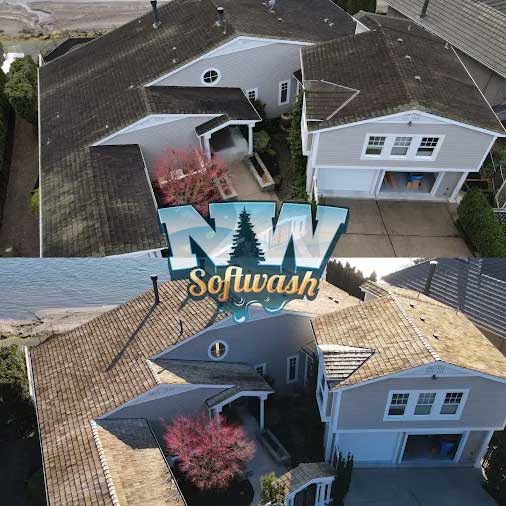
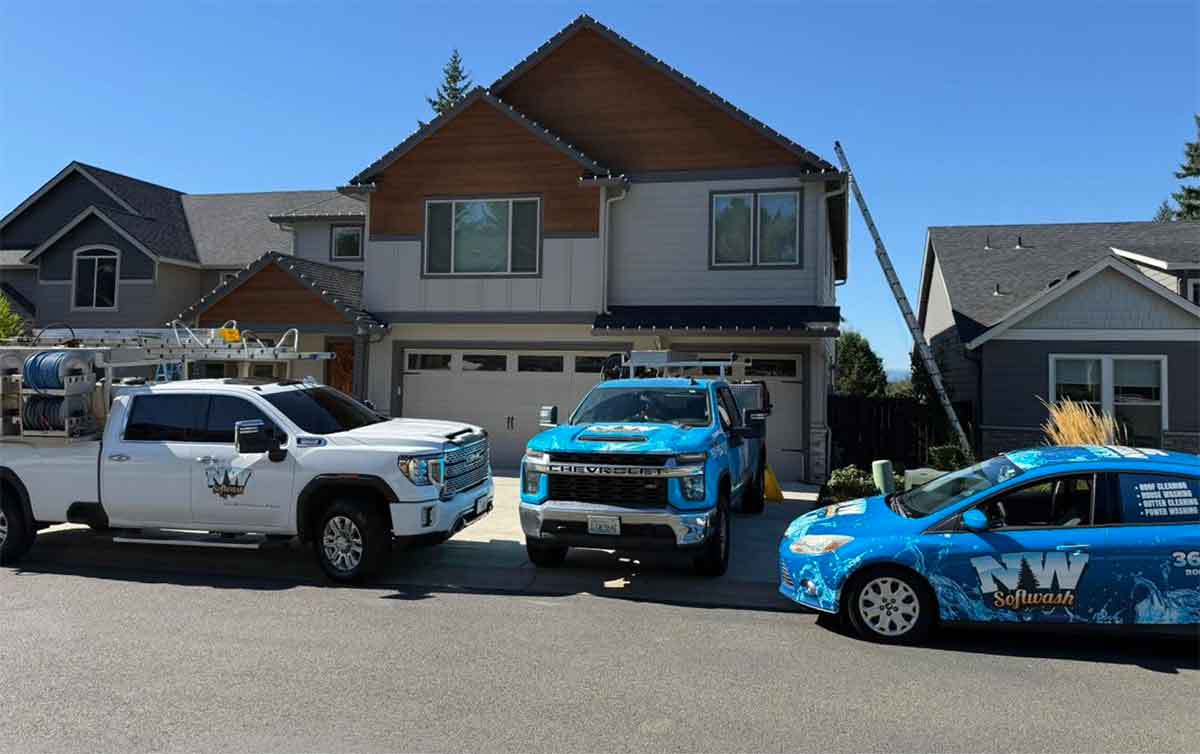
NW Softwash & Roof Cleaning in Washington — Professional Moss Removal When It Matters
Washington’s climate demands a careful approach to moss removal. Persistent rain, shade, and evergreen debris require the right process and local experience. Our team understands how quickly moss spreads across homes in Vancouver and surrounding areas.
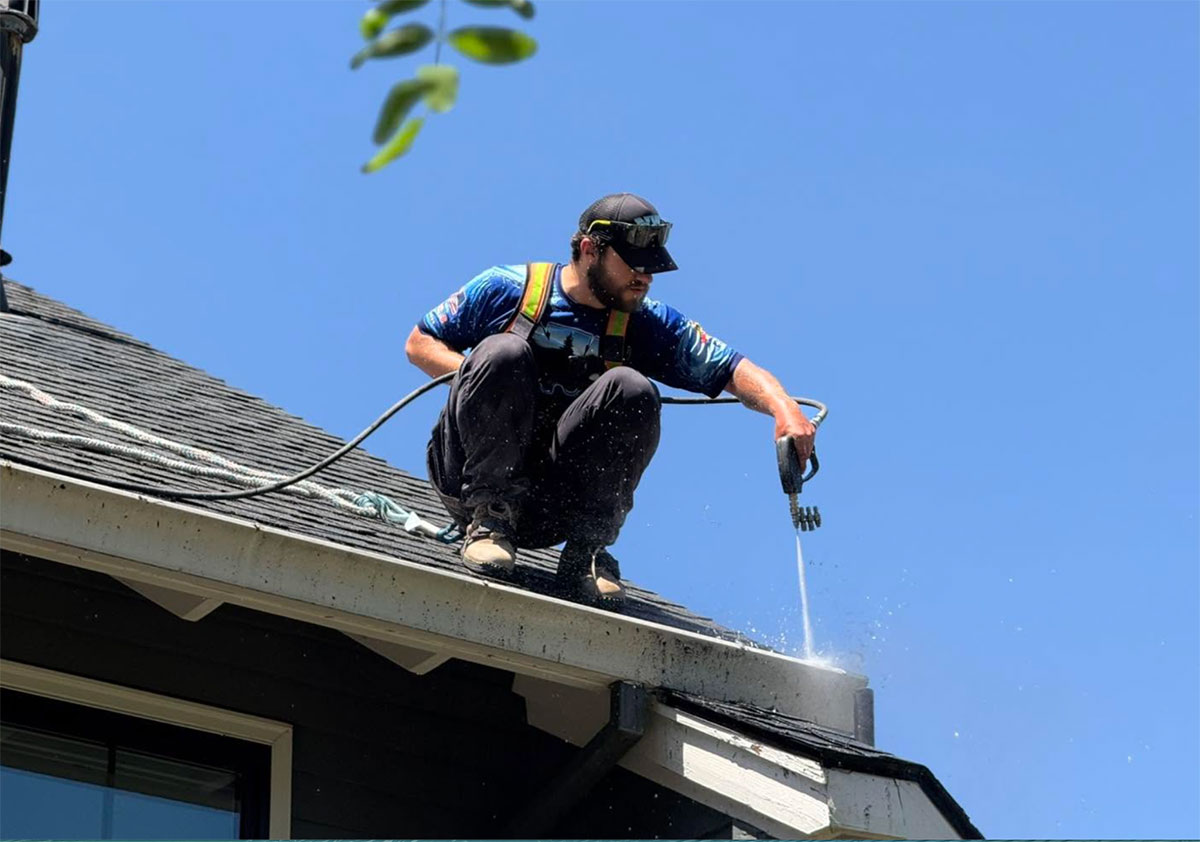
We use soft wash methods designed to remove growth without damaging shingles. Pressure washing strips granules and shortens roof life. Licensed, trained technicians apply treatments safely and follow proven procedures from start to finish.
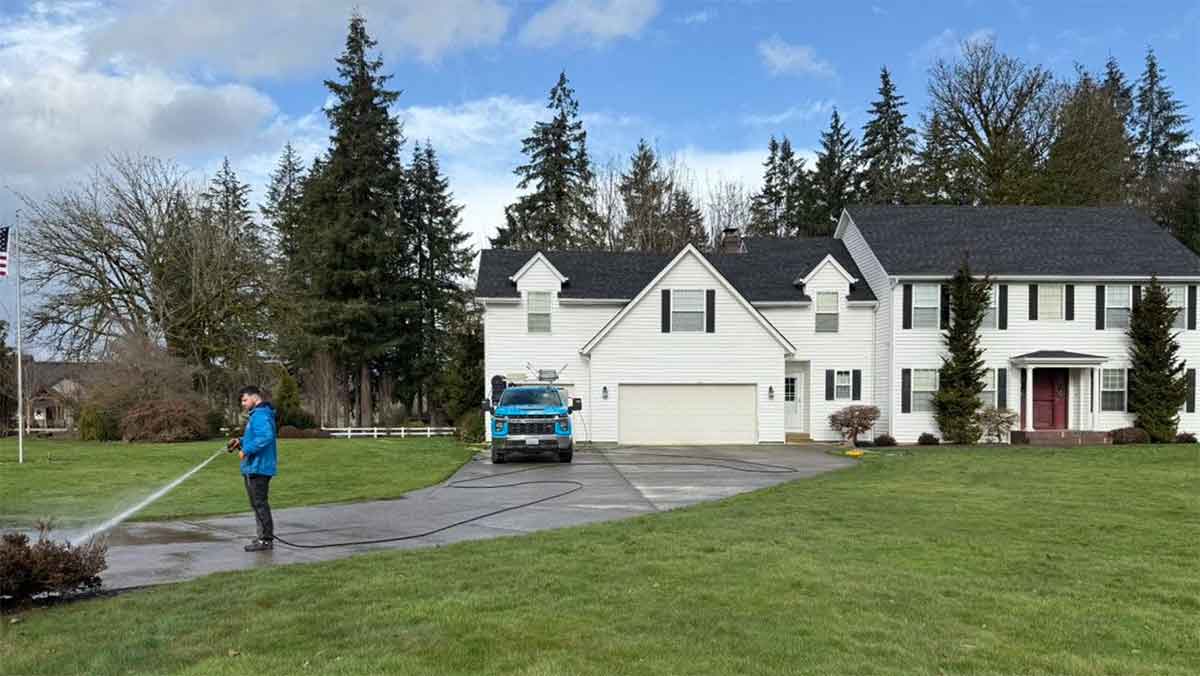
Homeowners across Washington trust our work because we show up prepared and stand behind our results. If moss is visible, now is always a good time to act.
Learn more about our approach at nwsoftwash.com and schedule professional service that protects your roof.
FAQs: Roof Moss Removal in Washington
When is the worst time to remove moss from a roof in Washington?
The worst time to remove moss is during deep freeze conditions or when icy surfaces create unsafe footing. Extremely cold temperatures also reduce treatment performance.
Does moss grow year-round in Washington?
Moss grows most aggressively in fall and winter, yet it survives through most of the year due to consistent moisture and shade.
How long does moss removal last in Washington?
Moss removal typically lasts 2 to 3 years depending on tree cover, roof orientation, and overall exposure to sunlight.
Is pressure washing safe for moss removal?
Pressure washing is not safe for moss removal on most roofing systems. Soft washing protects shingles and helps prevent granule loss.